What Moisturiser
Should You Use and Why?
Moisturiser
For The Face
What
Does Moisturiser Do?
- Hydration:Moisturisers replenish your skin's moisture levels, helping prevent dryness and flakiness. When your skin is well hydrated it looks plumper, smoother, and more youthful.
- Protection:Moisturisers create a barrier on your skin's surface, protecting it from environmental damage like pollution and harsh weather. This barrier helps to lock in moisture and protect against irritation.
- Repair:
Moisturisers help in the skin's natural repair processes. They help support regeneration, soothe irritation, and improve your skin's overall texture and appearance.

Which Face Cream is Best
for Daily Use?

A face cream with SPF is great for protecting your skin from harmful UV rays, helping prevent premature ageing, and reducing the risk of sun-induced skin damage. Daily use of SPF can help keep your skin looking youthful and is an easy way to protect your skin every day.
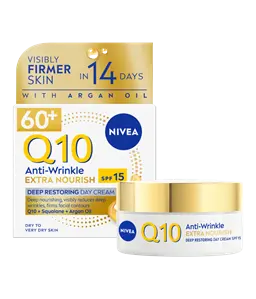
Heavy Formulas: Best for dry or mature skin. These creams provide intense hydration, making them suitable for night-time use or during colder months when your skin tends to be drier.
Tips for Choosing a Face Cream
for Dry Skin
Dry skin needs extra care and hydration. Here are some ingredients and tips for choosing the right face cream to suit your skin:
Some Ingredients to Look For:
- Hyaluronic acid:This ingredient attracts and retains water in the upper layers of your skin, helping to maintain hydration. It's suitable for all skin types and is particularly helpful for signs of ageing linked to dehydration, such as wrinkles.
- Glycerin:By attracting water to your skin's surface, glycerin improves your skin's ability to retain water, helping to prevent dryness.
- Shea butter:Renowned for its nourishing, moisturising and emollient benefits, shea butter has soothing properties and softens dry skin. Rich in unsaturated fatty acids, it also helps to nourish and protect your skin.
- Argan oil:Long used by Moroccan women, argan oil contains omega 6 and 9 fatty acids, antioxidants and vitamin E to nourish your skin and support regeneration.
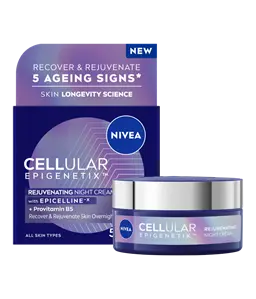
The NIVEA Cellular Expert Filler Intensive Anti-Age Night Care Cream is a great option for your evening routine if you have dehydration-related wrinkles. It includes both Hyaluronic Acid and Glycerin to help retain water in the upper layers of your skin and visibly fill in wrinkles.
What is the Difference Between
a Day Cream and a Night Cream?
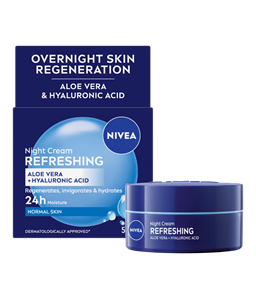
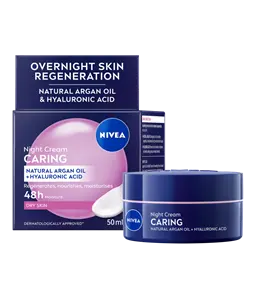
Day creams generally have a lighter texture and often contain SPF and antioxidants to help protect your skin from the sun and the effects of pollution. Night creams are richer and focus on repairing your skin while you sleep, with ingredients like Dexpanthenol, Retinol and Peptides to keep your skin looking healthy and nourished.

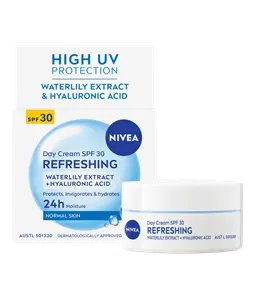
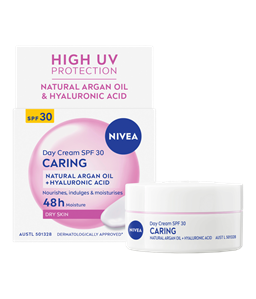
Designed to moisturise and protect your skin during the day, a day cream can also help defend against harmful UV rays and the effects of pollution by adding sun filters and antioxidants. These creams typically have a lighter texture to allow for easy absorption and to avoid a greasy feel, making them suitable for use under makeup. If you're exposed to the sun, make sure you apply a sun cream with a high SPF regularly to maintain your protection throughout the day.
FACTS OVERVIEW
What is Face Cream?
Face cream is a skincare product made to hydrate and respond to specific skin concerns such as signs of ageing, dryness or imperfections.
What Moisturiser Should You Use?
When you're choosing your daily moisturiser, pick one tailored to your skin type. For oily skin types, choose lightweight formulas that hydrate without feeling greasy, while dry skin types will benefit from richer formulas.
Specific Skin Concerns:
If you have a specific skin concern you want to address, such as hyperpigmentation, imperfections or a dull complexion, use moisturisers containing, for example, Niacinamide to help regulate sebum production, Luminous630 to help fade dark spots or Vitamin C to improve your skin's radiance.
Can I Use the
Day Cream at Night?
Using a day cream at night can give you basic hydration, but it may lack specialised ingredients to support night-time repair like Dexpanthenol, Retinol and Peptides. Day creams also usually have a lighter texture that might not offer as much hydration as thicker night creams.
4 Step
Day & Night Skincare Routines

- Cleansing:
Apply a cleanser that suits your skin type and gently massage it into your skin using circular motions to remove dirt, oil, and impurities without causing irritation. Rinse with lukewarm water and pat your face dry with a clean towel.
- Treatment:
Apply a serum or treatment product targeting specific concerns (for example, an anti-ageing serum). Use a few drops of the serum on your fingertips and gently press it into your skin, focusing on areas that need the most attention. Let the serum fully absorb before you move on to the next step.
- Moisturising:
Use a moisturiser suited to your skin type and concerns, and make sure it includes SPF for sun protection. Apply the moisturiser evenly over your face and neck, using gentle upward strokes to avoid tugging at your skin.
- Eye cream:Use a small amount of eye cream on your ring finger, as this finger applies the least pressure. Apply a pea-sized amount both morning and night to keep the delicate skin around your eyes hydrated, fresh, and youthful-looking.
- Cleansing:Remove any makeup and any impurities that have built up during the day with your cleanser.
- Serum:
Choose a serum that targets your specific concerns (for example, Hyaluronic Acid for hydration, Bakuchiol or Q10 for their anti-ageing effects).
The NIVEA Cellular Expert Filler Replumping Hyaluronic Acid Serum uses Hyaluronic Acid for both hydration and anti-ageing. Apply a few drops to your face and neck, pressing it gently into your skin. - Night Cream:
After letting your serum sink in, take a richer night cream that’s formulated to help your skin repair and rejuvenate overnight. Gently massage it in to help it absorb and promote circulation.
- Eye Cream:Dab a small amount gently on the skin under your eyes, focusing on areas of wrinkles and puffiness.
Consistency is key to seeing results in skincare. Adjust your routines based on your individual skin needs and concerns.
Skincare
from 30

- Antioxidants:These are compounds that help protect your skin from damage caused by free radicals – unstable molecules that can be generated by external factors such as the sun and pollution and that can speed up the ageing of your skin.
- Vitamin C:Vitamin C is an antioxidant which, by supporting collagen production, can help maintain your skin's firmness and elasticity, potentially helping to reduce signs of ageing such as fine lines and wrinkles.
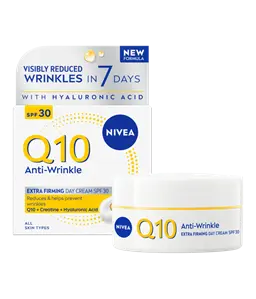
- Coenzyme Q10:Also with antioxidant properties, coenzyme Q10 plays an essential role in the production of cellular energy, supports the skin's natural production of collagen and elastin and contributes to the cell repair process.
- Sun filter:By protecting your skin from damage caused by UV rays, adding a sun filter to your day care is essential to help prevent signs of premature ageing.
Starting an anti-ageing regime in your twenties and thirties lays the foundation for healthy-looking skin for years to come. This could help maintain collagen and elastin levels, which are essential for skin elasticity and firmness. Using a quality cream suited to your skin type can help you in the long term by providing the essential moisture your skin needs.
What is a
Good Face Cream After 40?
- Hyaluronic acid:This moisturising ingredient attracts and retains moisture in the skin, effectively plumping it and helping to reduce the appearance of fine lines. Its light texture makes it suitable for all skin types, including oily skin, providing hydration without leaving a greasy feel.
- Folic acid:Folic acid works at a cellular level to strengthen support fibres and stimulate collagen production to plump your skin and reduce the appearance of wrinkles.
- Retinol:
Retinol works by binding to skin cell receptors, promoting cell renewal and growth. This process can improve skin texture, smooth fine lines and reduce the appearance of wrinkles. At first, retinol can cause dryness, redness and irritation. We therefore recommend starting with a lower concentration and gradually increasing the amount you apply.
The NIVEA Cellular Expert Filler, formulated with hyaluronic acid and folic acid, hydrates and plumps your skin for a firmer, fuller look.
NIVEA
Cellular Range
Face Cream
for Men

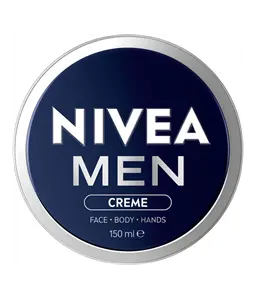
Men generally have thicker, oilier skin due to higher testosterone levels, which can make them more prone to enlarged pores and acne. In contrast, women tend to have thinner skin that’s more susceptible to dryness and sensitivity due to hormonal changes.
Understanding these differences is helpful when you’re choosing skincare products made for men’s skin needs. Explore NIVEA’s range of men's face creams to find one that suits you.
Facial Care
for Men Over 50
If you're a man looking for a daily moisturiser for your routine, the NIVEA Anti-Age Hyaluron Face Moisturising Cream SPF 15 is an ideal option. It offers sun protection along with anti-ageing benefits, helping your skin stay fresh and youthful-looking. Suitable for all skin types, apply it daily over your face and neck.