What are Stretch Marks:
Causes, Types and Prevention
What are
Stretch Marks?
Stretch marks appear when your skin stretches or shrinks in quick succession and are completely normal and harmless. This rapid expansion or contraction of the skin leads to the disruption of Collagen and Elastin fibres that maintain your skin's integrity. Stretch marks begin to form when the skin starts to heal after these sudden changes.
Sometimes referred to as striae, stretch marks can appear on areas such as your stomach, breasts, hips, bottom, and thighs. Just like any other scar, stretch marks are permanent, but there are ways to help minimise their appearance through various treatments, creams and lotions.
What Causes
Stretch Marks?
The root cause of stretch marks is the rapid expansion or contraction of skin. Their appearance can be more common during periods of rapid body growth when the skin can’t keep pace. Here are the most common factors that can either cause, or contribute to, stretch mark formation:

- Low levels or structural issues of collagen
Collagen helps to maintain skin elasticity and promote healing – a lack of it, or an anomaly in its structure, can lead to noticeable stretch marks when the skin stretches.
- Rapid growth during puberty
Stretch marks are likely to appear in puberty, as this is a rapid period of growth for your body and the skin may not keep pace. This is a normal process, and these marks may fade with age.
- During pregnancy
Changes in your body and hormones cause your skin to stretch, weakening its fibres. Although these marks might fade as you lose weight after childbirth, they can still remain noticeable.
- Rapid muscle growth
Keen gym-goers, athletes or bodybuilders may notice stretch marks if they gain muscle mass too quickly, as the skin may not be able to keep up with the muscle growth.
- Genetics
Although there isn't a specific gene that will cause stretch marks, a combination of genes controls Collagen, skin elasticity, and other aspects of skin health that can lead to stretch mark formation if there’s an anomaly.
- Rapid weight changes
Rapid changes in weight put pressure on the skin’s fibres, which can cause stretch marks to appear.
- Sports and lifestyle
Intense movements in sports can sometimes contribute to stretch marks. This is due to stress placed on the skin during activity, rapidly stretching and contracting skin fibres.
Stretch marks can be classified according
to their stage of formation and colour.
These stretch marks are called immature because they appear at the beginning of the stretch mark formation process. They’re generally pink, red or purplish in colour (Striae Rubrae) in fair‑skinned people, but can take on a darker or even black appearance (Striae Nigra) in dark‑skinned people.
Their red or dark colour is a result of inflammation caused by damage to the elastic fibres as the skin expands. This stage of stretch marks is generally the best time to treat them, since they’re at the beginning of the scarring process.
The colour of black or dark stretch marks (Striae Nigra) is linked to the presence of higher concentrations of melanin. Although their colour can fade over time, the use of targeted cosmetic treatments can also help reduce their appearance.
White stretch marks, or those lighter than the surrounding skin (Striae Albae), are simply older, faded versions of red or dark stretch marks, and are very common.
White or light stretch marks may be more difficult to reduce than red or dark marks, since the scarring process is already advanced. Though they may be permanent, it’s possible to fade their appearance over time with proper, consistent skincare.
There are also other classifications of stretch marks that aren’t detailed in this article.
Who Gets
Stretch Marks?

While often associated with pregnancy, stretch marks can affect anyone during periods of rapid growth or weight changes. This includes:
- Teenagers: During puberty, due to rapid growth and development.
- Men: During puberty, weight gain, or intense muscle growth from bodybuilding.
- Women: During puberty, weight gain, bodybuilding, and most commonly, pregnancy (affecting 50–90% of women).
Stretch marks are very common during pregnancy, usually forming on the abdomen, chest, thighs and hips. This is for two key reasons:
- Rapid stretching: The skin stretches significantly to accommodate a growing belly, chest, and other areas of weight gain.
- Hormones like oestrogen and relaxin can weaken Collagen and Elastin fibres in the skin, making them more prone to tearing and leading to stretch marks.
While there’s no way to entirely prevent stretch marks, there are a number of things that might help during pregnancy and beyond.
How to Help Prevent
Stretch Marks?
It’s difficult to completely prevent the appearance of stretch marks. Although most prevention methods haven’t been scientifically proven, they can help keep your skin in good condition.
- Drinking enough water
If you’re not getting enough hydration, you’re more susceptible to stretch marks than if you have a balanced water intake. Drinking enough water can help maintain skin elasticity and reduce the likelihood of stretch marks.
- Moisturise regularly
Although the effectiveness of moisturising products like creams, lotions and oils to reduce the risk of stretch marks is debated, they may help keep your skin supple and hydrated.
Look out for hydrating ingredients that are generally considered safe to use during pregnancy, such as Shea Butter, Vitamin E and Hyaluronic Acid. During pregnancy it’s recommended to avoid Retinol. If you have any concerns, always check the packaging before use or ask your doctor or pharmacist for advice. - Avoiding excessive and rapid weight fluctuations
While this isn’t possible in all circumstances, such as puberty and pregnancy, you might have more control over it if you’re experiencing rapid weight changes due to lifestyle choices. If you’re looking to gain or lose weight, try to do so gradually.

Stretch Marks and
Sport
The intense movements in sports like weightlifting and gymnastics can sometimes cause stretch marks. These activities place stress on your skin, rapidly stretching and contracting skin fibres.
High‑impact activities like running and jumping could also contribute to stretch marks. While less common than with activities like weightlifting, the intense muscle contractions and repetitive movements can still put stress on the skin, potentially leading to stretch marks in some people.
If you’re weightlifting and are concerned about stretch marks, you can reduce the likelihood of them by taking your time with muscle gain. Gradual progress also applies to how hard you push yourself during workouts, so slowly increase the intensity to avoid overloading your body.
Stretch Marks
Cause: Stretch marks develop when the skin stretches or shrinks rapidly, disrupting collagen and elastin fibres, as well as overall skin integrity.
Common areas: Stretch marks commonly appear on your stomach, breasts, hips, buttocks, thighs, arms, shoulders and back.
Factors contributing: Rapid weight gain, puberty growth spurts, pregnancy, bodybuilding, genetics and certain medical procedures can contribute to stretch mark formation.
Prevention and management: Stay hydrated, eat a balanced diet, exercise gradually and use moisturising products to help reduce the appearance of stretch marks.
NIVEA Routine to Help
Reduce Stretch Marks
There’s no way to completely remove stretch marks – however, there are ways to help fade their appearance. One of the most accessible steps is to focus on a dedicated skincare routine:

To begin with, cleanse your body with a gentle and nourishing shower gel or cream. Preferably use a pH‑neutral product to help protect your skin from drying out.
Use a skincare product or serum that can help improve skin elasticity or reduce the appearance of stretch marks over time.
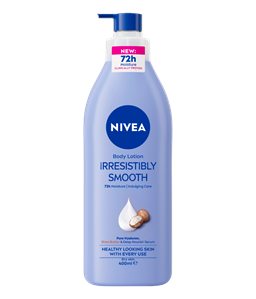
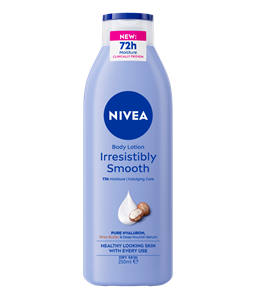
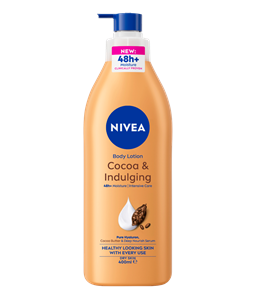
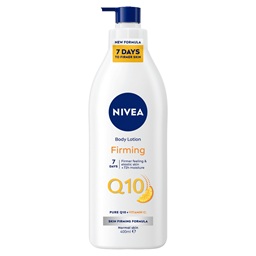
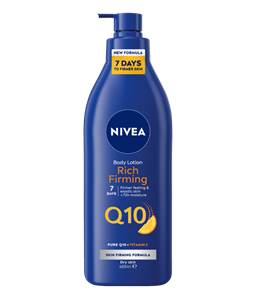
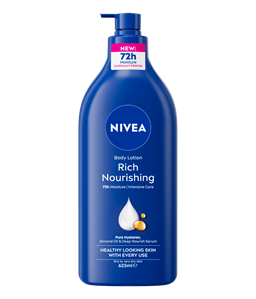
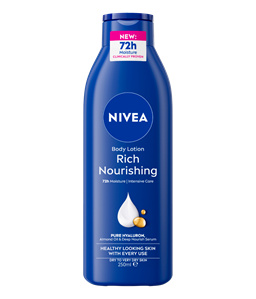
In addition to targeted skincare, use products such as nourishing body lotions to moisturise the skin on your body and over any stretch marks, which is particularly useful if they’re recent, inflamed or itchy.
Summary
Stretch marks are a natural consequence of rapid skin changes, often caused by factors like weight fluctuations, growth spurts or pregnancy. These changes can damage the collagen and elastin fibres that give your skin its elasticity.
While stretch marks are permanent, there are ways to help minimise or reduce their appearance. These include intentionally gradual weight gain or loss, drinking plenty of water, eating a diet rich in essential vitamins, and using dedicated skincare that helps improve skin tone and elasticity or even out your complexion.