Itchy Skin
Causes & Tips
What is
Itchy Skin?
While occasional itchiness is normal, if it hangs around or becomes severe, it could indicate an underlying issue that needs attention. Make sure you seek medical advice if this is the case. Understanding the causes and finding the right treatment can help you manage and ease the discomfort.

Is your skin itching on
your face, your body or all over?
- The Body
One of the most common itchy skin causes is dry skin, seasonal allergies or when your skin has been in contact with an irritant. Other itchy skin causes for your body may be related to bug bites such as mosquitoes, spiders or other insects. These bites are so small it’s common not to see them but still experience the itching. Bug bites like this are usually nothing to be worried about, however, if the itching keeps going, it’s a good idea to see a doctor for further examination.
Itchy legs are especially common in colder months due to dryness, shaving or tight clothing, and can often be soothed with a rich moisturiser. Itchy hands, on the other hand, may result from frequent washing, exposure to cleaning products or even seasonal dryness, and benefit from gentle, fragrance-free hand creams.
- The FaceItchy skin on your face is most common in winter, thanks to cold, dry air, which can lead to dry, irritated skin on your face. Seasonal allergies or environmental allergies can cause itchy skin all over, and often show up as itching on your face. Other causes of itchy skin on your face include food or medication allergies, as well as rosacea, which is a skin condition that can cause itching and tingling on your cheeks.
- All OverItching all over your body can be linked to skin disorders such as eczema, xerosis or others. However, it can also be linked to infections or more serious underlying diseases, such as liver disease, kidney disease, diabetes, thyroid problems, anaemia or lymphoma. In all cases, it’s best to have an examination to work out the cause and get appropriate treatment.
What causes
itchy skin?
- Dry Skin:One of the leading causes, especially in colder months. When your skin loses moisture, it can become tight, flaky and irritated, leading to persistent itching.
- Allergies:Seasonal allergies, food sensitivities or reactions to certain skincare products can trigger itching. Your skin may react to pollen, dust or even specific ingredients in soaps or lotions. If you're experiencing persistent or severe itching, it's important to seek professional medical advice.
- Skin Conditions:Conditions like eczema, psoriasis and hives can cause itchy, inflamed skin. These conditions may need special treatment to soothe and help repair your skin.
- Infections:Fungal infections, bacterial infections or even viruses like chickenpox can lead to intense itching. It’s important to chat with your doctor about treatment for these illnesses.
- Environmental Factors:Exposure to harsh weather, such as extreme heat or cold, can make your skin dry and itchy. Similarly, too much sun exposure or chlorinated water can leave your skin feeling irritated.

Itchy skin
but no rash?
Itchy skin
at night?
The technical term used for itchy skin at night is nocturnal pruritus, which can be really uncomfortable to deal with – so much so that you can have sleepless nights over it. Causes for itchy skin at night can be grouped into:
- Natural causes
- Medical causes

Several medical conditions can lead to itchy skin at night. However, it’s important to see your GP before you decide this is the cause and try to treat it yourself. The medical conditions include skin diseases (such as eczema), bugs (scabies, lice or bedbugs), kidney disease or liver disease, anaemia, thyroid problems, leukaemia or lymphoma or even nerve disorders.
Your mind can in fact be one of the many itchy skin causes. The feeling of itchy skin at night can intensify because during the day you keep yourself busier, so you’re more distracted from the sensation, whereas at night your mind can fixate on the itchy feeling, making it seem worse than it is.
for Itchy Skin
There are different ways to help soothe itchy skin, and some simple tips can even be put into practice at home. For an instant itchy skin remedy, try applying a cool, wet compress to the itchy area. A hand towel soaked in cold water for 5 to 10 minutes can be very effective as a remedy for itchy skin all over.
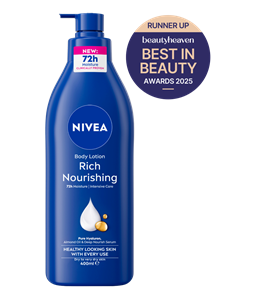
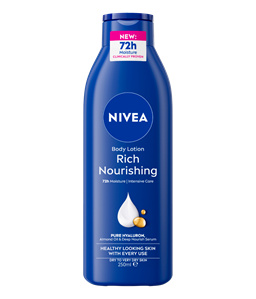
If your skin tends to be dry, this can also cause itching. In this case, your first step should be to moisturise your skin. We recommend you use a long-lasting moisturiser or lotion that offers intensive care, such as NIVEA Rich Nourishing Body Lotion.
If your skin is itchy and dry due to overexposure to the sun, then we recommend you apply an after-sun moisturiser with aloe vera, such as our Moisturising After Sun Lotion. This will provide instant relief and moisturise skin for up to 48 hours.
*Instrumental test, 54 volunteers

How to
stop itchy skin from occurring
If you’re wondering how to stop itchy skin from occurring, there are a few precautions you can take – from the products you use to the environment you expose your skin to and even the clothing you wear.
When it comes to your environment, try to avoid extreme temperature changes. The ideal conditions to help avoid itchy skin are a neutrally humid environment. If you’re prone to dry skin and eczema, then a humidifier during winter is a good option.
The clothes you wear can also help stop itching. We suggest you wear loose-fitting cotton clothes and avoid fabrics such as wool and synthetic materials. These can irritate your skin further and lead to intense itching, especially if you have sensitive skin.