What is Epigenetix?
How It Works and Affects Your Skin
What is
Epigenetix?
Epigenetix is the study of changes in how genes work without altering the DNA sequence itself. In simple terms, it’s about how your environment, lifestyle choices and even skincare habits can influence how your genes express themselves. While your genetic makeup is set, Epigenetix is like a dial that controls the volume of gene expression, turning it up or down depending on several factors. These changes can have a significant impact on your skin health, ageing and overall appearance.
Understanding Epigenetix helps show why it’s important for you to take care of your skin with good habits and the right skincare products.
The role of Epigenetix factors in
Skin Ageing
As you age, your skin naturally undergoes changes, but Epigenetix factors can influence the speed and extent of these transformations. Environmental stressors like pollution, smoking and sun exposure can affect gene expression, leading to fine lines, wrinkles and a loss of elasticity. However, maintaining a healthy lifestyle through proper nutrition, quality sleep and a consistent skincare routine can help you preserve a youthful appearance.
Epigenetix shows that skin ageing isn’t solely determined by your DNA, it’s also shaped by your daily habits. By making mindful choices to protect and nourish your skin, you can help slow the ageing process and promote long-term skin health.
How Epigenetix
Affects the Skin
Your skin is continuously exposed to environmental factors, which can affect its health and appearance. Epigenetix plays a crucial role in how your skin responds to these influences. It helps determine how well your skin can repair itself, combat inflammation and produce collagen. Epigenetix modifications can have numerous effects on the skin, but further studies are needed to confirm these effects and their mechanisms.

- UV exposure and skin ageing:
It’s well known that UV rays can induce oxidative stress, inflammatory reactions, DNA damage and reduced immune responses. However, they can also trigger Epigenetix changes. All these effects can accelerate skin ageing, leading to the appearance of wrinkles and brown spots, for example. Sun protection can help protect your skin from these changes and contribute to slowing down premature skin ageing induced by UV rays.
- Pollution and inflammation:
Pollution can cause inflammation and oxidative stress, which could lead to Epigenetix changes resulting in increased collagen degradation. Regular cleansing and an intake of antioxidants could help protect your skin from some of these effects.
- Diet and skin health:
Foods rich in antioxidants help protect your skin from oxidative stress, while a poor diet can trigger inflammation and skin lesions. Oxidative stress and inflammation may promote Epigenetix changes and skin ageing. A balanced diet can help you maintain healthy-looking skin.
- Stress and skin sensitivity:
Chronic stress could activate certain genes that cause inflammation, which could lead to breakouts and dryness. Managing stress helps keep your skin calm and balanced.
- Sleep and skin regeneration:
Insufficient sleep disrupts your skin’s natural repair processes, while 7–9 hours of quality sleep can help support cell regeneration and healing. Getting enough rest is essential for maintaining healthy-looking skin.
- Exercise and collagen production:
Exercise boosts blood flow and activates genes that promote collagen production, helping your skin stay firm and elastic. As a result, regular exercise can support youthful-looking skin.
How to support healthy skin
Taking Epigenetix into Account?


Epigenetix
What is Epigenetix: Epigenetix involves changes in gene activity that don’t alter the DNA sequence but affect how genes function, influencing traits like skin ageing.
Epigenetix factors: These are external and internal influences, like UV exposure, diet and stress, that affect gene activity and impact skin ageing and repair.
Can Epigenetix be changed: Yes, lifestyle choices such as your diet, sleep and stress management can influence gene expression and could therefore help slow down skin ageing and promote healthy skin.
How to support healthy skin through Epigenetix: Adopting healthy habits, including eating antioxidant-rich foods, getting enough sleep and using protective skincare products could have a positive impact on gene expression and your skin’s appearance.
NIVEA
Skin Care Routine:
Start with a gentle, non-stripping cleanser to remove dirt, oil and pollutants from the surface of your skin. Pollution and environmental toxins can trigger oxidative stress and inflammation, which could have a negative Epigenetix effect on your skin, leading to premature ageing. Neglecting the cleansing stage could also encourage the appearance of imperfections. A good cleanser clears these impurities without disrupting the skin’s natural moisture barrier, ensuring that your skin is clean and ready to absorb the next steps in your routine.
Discover NIVEA’s range of cleansers, designed to suit all skin types. From gentle micellar waters to pore-clearing cleansers, NIVEA offers a variety of products to cleanse and refresh your skin.
Whether you are looking to tighten pores, hydrate or revitalise, try our NIVEA Refreshing Toner designed to complement your skincare routine.

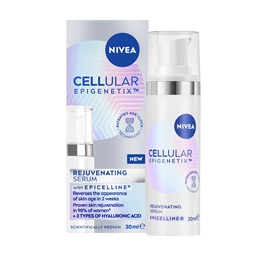
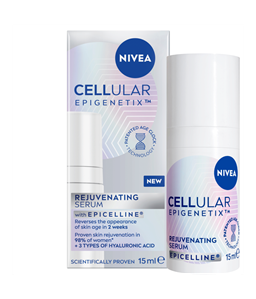
3. CELLULAR Epigenetix™ Rejuvenating Serum
Face serums have become an essential step in any skin care routine as they make a noticeable difference to how the skin looks and feels. Face serums are notoriously highly concentrated and lightweight formulas, which means they absorb into your skin quickly and won’t leave a sticky residue on your face.
This is perfect for those that prefer the weightless feel when it comes to skin. By working to support how skin behave, Epigenetix serums aim to supporting the skin’s youth, hence reversing the appearance of signs of aging.
“There are different sizes of molecular hyaluronic acid which penetrate and add moisture to the skin at different levels, contributing to hydration, plumpness and wrinkle filling.”
Dr Christiane Meyer, Head of R&D Face Category, Beiersdorf
Dr Cassandra Falckenhayn, Sr. Scientist Bioinformatics, Beiersdorf
Applying a moisturising cream helps lock in moisture and maintain the skin barrier, helping protect your skin from dehydration and environmental irritants.
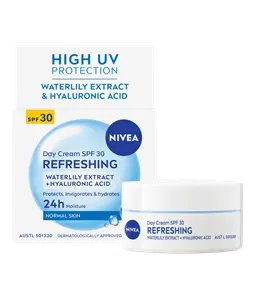
Day creams help lock in hydration, helping your skin feel supple and supported throughout the day. The NIVEA Cellular Expert Filler Intensive Anti-Age Day Cream SPF 15 combines micro & macro hyaluronic acid and pure folic acid to fill wrinkles, smooth skin and enhance hydration. It works to help restore firmness and volume, giving your skin a plumper, more youthful look. Integrated SPF 15 combined with anti-UVA protection protects against UVA/UVB rays, helping to prevent premature skin ageing and UV-induced damage, while preserving your skin’s plumpness.
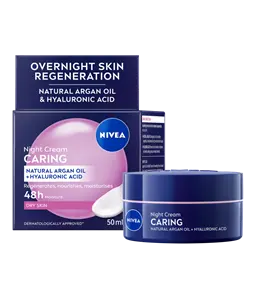
In the evening, swap to a night cream to intensely nourish your skin while you sleep. The NIVEA Cellular Expert Filler Intensive Anti-Age Night Care is designed to firm skin and reduce the signs of ageing while you sleep. Its formula combines ingredients such as hyaluronic acid and folic acid to support your skin’s natural cell renewal process overnight for a fresh, rested complexion when you wake up.
Explore the NIVEA range of sunscreens, designed to protect your skin from UV rays while keeping it hydrated. With options for all skin types, NIVEA sunscreens provide long-lasting protection, helping you maintain healthy-looking, safe skin in the sun.
A youthful appearance with the
NIVEA Cellular Expert Filler Range

Formulated with carefully selected active ingredients—such as pure folic acid, micro & macro hyaluronic acid, bakuchiol and Epicelline—different products in the range feature unique combinations tailored to target specific signs of ageing and promote a rejuvenated appearance.
“From a personal perspective, I love using the NIVEA Epigenetix Rejuvenating Serum; the texture and feel on my skin is great and I find my skin looks more youthful with continued use. Please do give it a go!”
Dr Angela Tewari, Consultant Dermatologist MBBS BSc MRCP(UK) PhD (London)