Aluminium in
deodorant & antiperspirant
All you need to know about
aluminium in deodorant and antiperspirant
Whether you roll, spray or smooth it on under your arms, deodorant helps you stay fresh and dry no matter what life – and the weather – throws at you. Even though it plays a key role in your everyday body care routine, it’s probably fair to say most of us pay scant attention to what we put on our underarms. In fact, while we tend to refer to everything we apply to our armpits as deodorant, deodorant and antiperspirants are actually different. The main difference between deodorant and antiperspirants lies in the active ingredient aluminium. So what do you really need to know about aluminium in deodorant and antiperspirants?
Read on to get the lowdown on aluminium in deodorant.
What's the deal with
aluminium in deodorant?
Well, firstly, there actually isn't usually any aluminium in deodorant on its own. Aluminium is found in most antiperspirants and antiperspirant deodorants.
While deodorants and antiperspirants both help manage sweat, they work differently. Here's how:
- Deodorants usually do not contain aluminium, and they don't stop you from sweating.
- Deodorants help curb body odour and make sweat smell better by using fragrance or antibacterial compounds to reduce BO, while antiperspirants work to limit how much you sweat.
- Antiperspirants usually contain aluminium, as do many deodorant–antiperspirants (which do the job of both an antiperspirant – limiting how much you sweat – plus the effects of a deodorant, helping you smell fresh).

How does
aluminium in antiperspirants work?

Antiperspirants work by blocking the sweat ducts, which limits how much you sweat.
Aluminium salts, such as aluminium chloride, aluminium zirconium and aluminium chlorohydrate, are the most common ingredients in antiperspirants. These compounds form a temporary "plug" within the sweat duct that stops the flow of sweat to the skin's surface. These salts melt into your pores, creating a barrier and limiting the amount of sweat that comes out of them.
The aluminium in antiperspirants not only reduces wetness by blocking your underarm sweat ducts, it also helps to reduce body odour by inhibiting the bacteria that feed on your sweat and produce the smell we know as BO.
If you want to know whether there is aluminium in your deodorant or antiperspirant, check the ingredient list. The active ingredients at the top to look out for are:
- aluminium chlorohydrate or
- aluminium zirconium tetrachlorohydrex gly

What are the concerns over
aluminium in deodorant?
There have been some health concerns raised in recent years surrounding aluminium in deodorant and antiperspirants. You’re actually more likely to get aluminium from other places – aluminium is the third most abundant element on the planet and we ingest it in large proportions every day in water and food.
The concerns over aluminium are based on the idea that aluminium in deodorant enters the body through sweat glands. But actually, the skin – your natural defence barrier – stops it from seeping into your bloodstream.

If you apply deodorant after shaving your armpits or if you have a rash or any nicks in that area, then applying anything to your skin may irritate it.
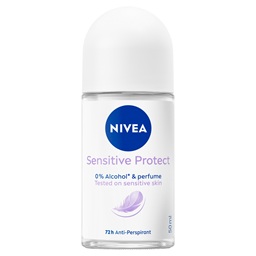
If your skin is particularly sensitive, go for a deodorant designed to protect. The NIVEA Beauty Elixir Sensitive Anti-Perspirant Spray 200ml not only moisturises and soothes, the deomilk helps your skin recover from irritations.
Are there
aluminium-free deodorants?
Most deodorants are aluminium free, but you can also find those that contain no alum and are clearly marked as such so you can be sure, such as the NIVEA Deodorant Aluminium-Free Spray Fresh Flower – 0% Aluminium (ACH).

Alum has been used for many years as a deodorant, astringent and basic antiperspirant. Alum is found in crystal deodorants, a type of alternative deodorant in the form of potassium alum.
Crystal deodorant is usually available as a stone, roll-on or spray. Often positioned as the alternative to conventional deodorant, alum still contains aluminium, often hydrated potassium aluminium sulfate (otherwise known as potassium alum). There is no scientific evidence that suggests alum is not safe.
What is aluminium chloride deodorant and
aluminium chloride antiperspirant?
Aluminium chloride hexahydrate is a supercharged form of aluminium, used to treat excessive sweating, also called hyperhidrosis. Aluminium chloride, an aluminium salt, can form a stronger, deeper barrier against sweat compared to other aluminium compounds. It is found in “everyday” deodorants to give you great but gentle all-day protection. Aluminium chloride is also found in treatments that are applied at night to clean, dry skin and left overnight to allow the active ingredients to work while your body is sweating less.
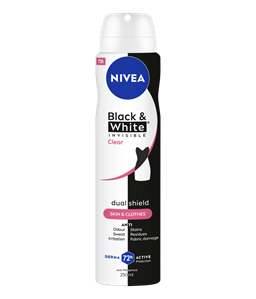
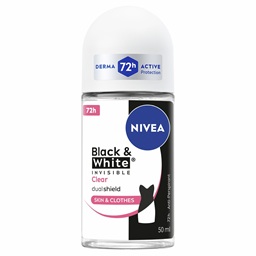
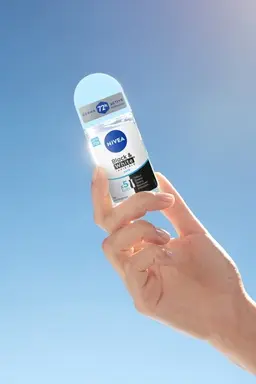
If you suffer from excess sweating (hyperhidrosis, to give it its medical name), look for products containing aluminium chloride. If you’re after a deodorant antiperspirant that is tough on sweat, NIVEA Black & White® Max Protection offers strong sweat protection for 48 hours.