Deodorant vs. Antiperspirant:
What’s the Difference?
Deodorant and antiperspirant are often mistaken for the same product, but they work in different ways. Learn the difference between the two and find out which is best for you and your lifestyle, keeping you feeling protected, comfortable and fresh throughout your schedule.
Deodorant vs
ANTIPERSPIRANT
The key difference between deodorants and antiperspirants is that deodorants help stop you getting body odour without blocking sweat, while antiperspirants protect you from sweating and help keep you dry.
Lots of people think they’re the same thing, so the names are often used interchangeably. Even though you apply them in the same place, they have a completely different effect on your skin!
Deodorants are formulated to help get rid of armpit odour without blocking perspiration.
It’s a common misconception that body odour is caused by sweat itself – in fact, sweat is almost odourless. Body odour happens because bacteria on your skin multiply quickly, break down sweat into acid and then create that noticeable smell.
This is where deodorant comes in – when you apply it, it makes your skin more acidic, which is less attractive to bacteria, so you feel fresh and protected against unpleasant odour.

Antiperspirants are formulated to help prevent perspiration by temporarily blocking your sweat pores. This helps you control sweat, especially if you experience excessive sweating and want to prevent wetness in your underarms.
The aluminium compounds found in antiperspirants dissolve into the moisture on your underarms, or wherever else you apply it. The aluminium is then absorbed into your sweat glands, making it temporarily harder for sweat to get out.
After a while, the moisture inside and outside the glands balances out, allowing them to release sweat again. Because of this, an antiperspirant only lasts for a certain period of time before you need to reapply it.
Antiperspirant use isn’t limited to underarms and can also be effective on other areas of your body that sweat.
What are the benefits of
DEODORANT AND ANTIPERSPIRANT?
Even though deodorants and antiperspirants do slightly different jobs, they still share some benefits:
- Body Odour Reduction:
Antiperspirant does this by helping prevent sweating, whereas deodorant works by getting rid of the bacteria that causes the smell.
- Dryness Control:
Antiperspirants help you control sweat by temporarily blocking the pores, so you feel dry and fresh.
- Colour Protection:
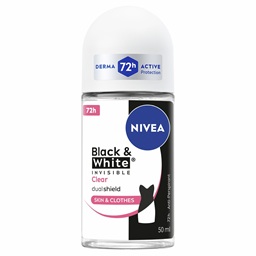
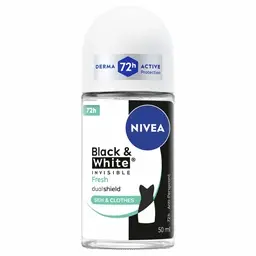
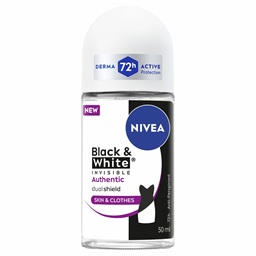
If your clothes get deodorant stains, look for colour-protecting formulas such as NIVEA Black&White Antiperspirant Deodorant Roll-On that help prevent white marks on black clothes and yellow marks on white clothes.
Is it better to use
A DEODORANT OR AN ANTIPERSPIRANT?

That really depends on the result you want and what feels comfortable for you – deodorants help protect you from unpleasant odours, while antiperspirants also help stop you from sweating.
You might find your needs change from day to day and depending on whether you’re exercising or spending a lot of time outside. Different levels of sweating can call for different antiperspirant strengths.
Use a deodorant if:
You want to prevent body odour;
You don’t sweat excessively and only need lighter protection;
You’re doing light-intensity activities and don’t expect to be sweating a lot.
Use an antiperspirant if:
You need stronger protection and want to prevent both body odour and wet underarms;
You’re doing higher intensity activities such as exercising, being out in the sun or having a busy day, when you want to feel fresh and dry all day long.
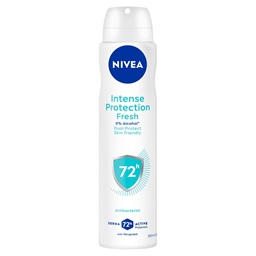
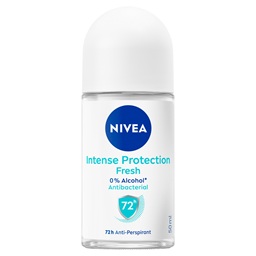
Many products today combine the benefits of a deodorant and an antiperspirant, giving you double protection against body odour and wetness.
Tips on how to
PREVENT BODY ODOUR
Quick lifestyle tips to help you avoid strong body odour:
- Wash your armpits at least twice a day with soap and dry them thoroughly;
- Shave your armpits regularly;
- Use a deodorant or antiperspirant on clean, dry skin;
- Change and wash your clothes regularly;
- Wear natural fabrics like cotton, wool and silk;
- Try to avoid too much caffeine and alcohol;
- Cut back on very strong-smelling or spicy food.