How to Get Rid of
Blackheads
Blackheads are tiny dark spots that appear when pores are clogged with sebum and dead skin cells. Unlike whiteheads, they stay open at the surface, causing the trapped material to oxidise and turn black.
clogged pores or comedones
- Open comedones:Typical blackheads, where the clogged pore stays open, leading to oxidation and a dark appearance.
- Closed comedones:Often referred to as whiteheads, these occur when the clogged pore stays closed, preventing oxidation.
blackheads include:
- Face:Particularly on the nose, forehead, and chin. These areas, known as the T-zone, tend to have higher concentrations of sebaceous glands, are more likely to have increased oil production and have a higher chance of blackheads forming.
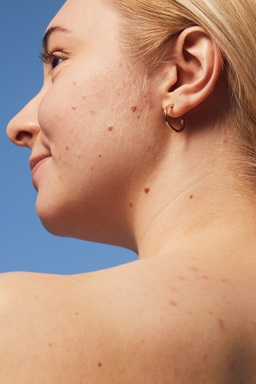
- Back:Especially the upper back and shoulders. The skin in these areas is thicker and has larger sebaceous glands, making it more prone to blackheads.
- Chest:Due to higher oil production in this area. The chest has a high density of oil glands, which can produce excess sebum that mixes with dead skin cells to clog pores and form blackheads.
What causes
Blackheads?

- Excess oil production:Overactive sebaceous glands produce too much oil, increasing the likelihood of clogged pores. When your skin produces excess sebum, it can build up and combine with other debris, creating an environment where pores become blocked and blackheads form.
- Dead skin cells:A build-up of dead skin cells can mix with sebum, leading to clogged pores. Dead skin cells that don’t shed properly can block the pilosebaceous follicles and contribute to the development of blackheads.
- Hormones:Hormonal changes, particularly during puberty, menstruation, or pregnancy, can increase sebum production. Fluctuations in hormone levels can stimulate the sebaceous glands, resulting in increased oil production and a higher chance of blackheads.
- Skincare habits:Infrequent cleansing or using comedogenic (pore-clogging) products can contribute to blackhead formation.
- Diet and lifestyle:High-fat diets, smoking, and stress can exacerbate oil production and skin issues. Unhealthy lifestyle choices and dietary habits can increase sebum production and aggravate skin conditions, making blackheads more likely.
- Genetics:Genetics can influence your skin's oil production and pore structure, increasing the likelihood of developing blackheads.
Treatment for
Blackheads
Dermatologists advise that there’s no instant way to safely remove blackheads from your skin without risking infection and inflammation, but there are a few things you can try to help reduce how visible they are. These include:
- Steam:Steam your face for 5–10 minutes to help open up the pores by softening the debris and sebum inside, making it easier to cleanse deeply and remove blackheads more effectively. Be very careful with hot water and steam; lean over a bowl of hot water with a towel over your head or use a facial steamer.
- Cleanse the skin daily, but without excess:Overwashing can strip the skin of its natural oils, prompting increased sebum production to compensate, which can potentially lead to more blackheads. It’s therefore important to use gentle products whenever you can.
- Avoid crushing blackheads:Avoid squeezing or picking at your skin to try and remove blackheads, as this may aggravate the skin condition further and cause more damage.
- Pore strips:You can try pore strips to help get rid of blackheads on your nose or other affected areas. Once activated with water they adhere to pores and remove blackheads and impurities from the skin's surface.
Skincare routine to
Prevent Blackheads
Keeping up a consistent and effective skincare routine can help prevent blackheads and target the underlying causes of their formation.
Trying the following routine may help you prevent blackheads:

For both morning and evening, cleanse and purify your skin thoroughly to remove accumulated excess oil and makeup. Try NIVEA Derma Skin Clear Wash for blemish-prone skin with Salicylic Acid and Niacinamide to deeply cleanse and purify pores and help reduce the appearance of blemishes.
The NIVEA Derma Skin Clear Anti Blemish Scrub is ideal to use right after your cleanser to achieve a deeper cleanse and get rid of dead skin cells. Also formulated with Salicylic Acid and Niacinamide, it helps to unclog pores and refine skin texture. Try incorporating it into your evening routine 2–3 times a week for optimal results.
Follow with an alcohol-free toner to balance the skin’s pH and help stop blackheads from forming. This can help to remove any residual impurities that cleansing might have missed, tighten the pores to reduce the likelihood of clogging, and decrease oiliness to help prevent excess sebum build-up.
The NIVEA Refreshing Toner cleanses deeply and respects the skin's own moisture balance.
You might like to consider serums containing Niacinamide to address blackheads and help regulate oil production. This can also help to minimise clogged pores and reduce the formation of blackheads for a clearer-looking complexion.

If your skin still feels dry, consider using a lightweight, non-comedogenic moisturiser to help prevent blackheads. This can help prevent your skin from overproducing oil and reduce the risk of blackhead formation.
Apply a broad-spectrum facial sunscreen for immediate protection from UVA/UVB rays.
Lifestyle changes to
Prevent Blackheads
- Healthy diet:Eat a balanced diet rich in fruits, vegetables, and whole grains. Nutrient-dense foods support overall skin health and may help reduce the likelihood of excess oil production and clogged pores.
- Hydration:Drink plenty of water to keep your skin hydrated. Proper hydration helps maintain skin elasticity and reduces the risk of sebum overproduction.
- Manage stress:Practise stress-relief techniques like meditation and exercise. Bringing your stress levels down helps reduce the production of stress hormones that can stimulate oil glands and contribute to blackhead formation.
- Avoid touching your face:Try to reduce the transfer of oil and dirt from your hands to your face. Minimising contact with your face helps prevent the introduction of bacteria and oils that can contribute to blackheads and other imperfections on the face.
How to Get Rid of Blackheads
Consistency:
Stick to your skincare routine daily for the best results in preventing blackheads.
Clean makeup tools:
Regularly clean your makeup brushes and sponges to avoid bacteria build-up that can contribute to blackheads.
Avoid touching your face:
Try to reduce the transfer of oil and dirt from your hands to your face.
NIVEA
Derma Skin Clear
The innovative NIVEA Derma Skin Clear range is formulated with clearer, refined skin in mind. It harnesses the clarifying combination of Salicylic Acid and Niacinamide to unclog pores and reduce the appearance of whiteheads and blackheads with regular use. If your skin is prone to blemishes and breakouts, this high-quality range might be the solution you've been looking for.
As always, when you apply a new product, follow the instructions on the label and chat to a dermatologist if you notice an unexpected reaction or if there’s no improvement after 4 to 8 weeks of regular use.
Summary
Blackheads are influenced by factors such as excess oil production, hormonal changes, poor skincare habits, and genetics. Try following a skincare routine that includes gentle cleansing and regular exfoliation, and follow through with non-comedogenic products to help prevent blackheads. Additionally, a healthy lifestyle can further support your skin health. For stubborn blackheads and to avoid skin damage, it’s a good idea to seek professional advice for effective treatment.