Aloe vera
Benefits For Skin
Aloe vera
Benefits for Skin

What is
Aloe Vera?
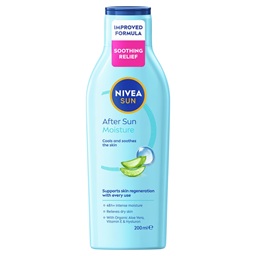
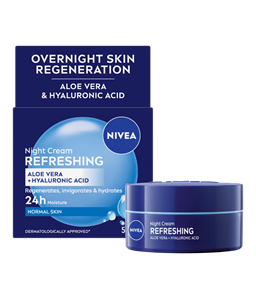
Of course, it’s highly unlikely that you’re going to carry around a plant to extract this gel from whenever you need it. So, helpfully, there are lots of products available, such as lotions, topical creams and lip balms, which deliver the same great properties and aloe vera benefits for skin.
Is aloe vera good
for Skin?
Aloe vera has many benefits for skin, as long as you don’t have a sensitivity to it or a skin condition that’s easily aggravated. It has so many uses for different skin concerns.
If you’ve spent too much time in the sun and your skin is burnt, it can be really painful. The anti-inflammatory properties of aloe vera can help soothe your skin, and it also helps moisturise – which is especially useful if your skin has started to peel as a result of sunburn.
Whether your skin has been burnt, cut or injured in some other way, aloe vera is well known as a great treatment for helping repair the skin. Research suggests that the naturally occurring chemicals in aloe gel help stimulate new skin growth, which helps wounds heal faster than they otherwise would.


Anti-aging
As we age, our skin loses collagen. Collagen is the component that helps skin feel full and plump, so as your body produces less of it, you become more prone to wrinkles.
Aloe vera can help to combat this, as it contains something called sterol, which encourages your body to produce collagen and hyaluronic acid. These help keep your skin moisturised. It won’t stop wrinkles altogether, but it can improve your skin texture a lot.
Lightens blemishes and dark circles
Sometimes, the dark circles under your eyes or blemishes on your skin can simply be caused by dehydration.

For dry skin
Everyone gets dry skin from time to time. Whether you’ve just forgotten to use your daily moisturiser or you have patches of dry skin on your body (such as with eczema), aloe vera can quickly help to ease the problem.
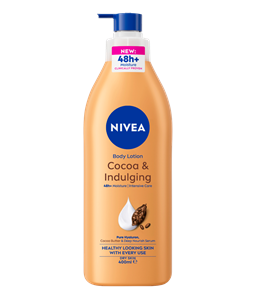
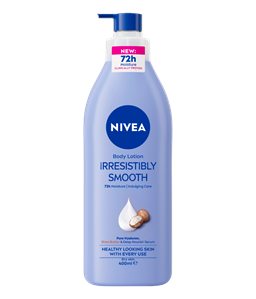
To help prevent dry skin from appearing in the first place, it’s best to keep your body moisturised every day. Aloe vera moisturisers such as the NIVEA Aloe & Hydration Body Lotion helps nourish the skin with 72 hour moisture.

For lips
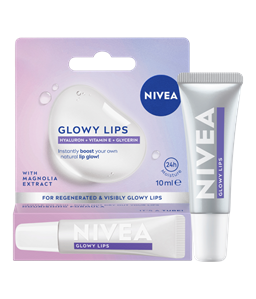
Whether you’ve been chewing your lips or they’ve become chapped due to cold, wintry weather, dry lips can be really irritating. Moisturising your lips needs a bit of extra care, as the skin here is quite different from the rest of your body.
Day to day, you put your hands through a lot. Without proper care, the skin on your hands and fingers can become dry and cracked, which can be really painful!
To keep your hands soft and supple, using a nourishing cream designed just for hands can really help to keep them in top condition.
How to use
Aloe Vera on Face
Just like using aloe vera elsewhere on your body, you can also use aloe vera on your face. You might think that the intense moisturising properties of aloe vera could be too much for your face, but used sparingly it can be a fantastic way of targeting problem areas such as:
- Eczema (atopic dermatitis)
- Rosacea
- Acne
- Sun-damaged skin
If you’re dealing with a chronic skin condition, it’s a good idea to check with your dermatologist before applying any products to your face. While aloe vera is a gentle option, sensitive skin can still react to it, so it’s best to check beforehand to make sure you’re not going to aggravate your skin further.

Does aloe vera
Help Acne?
If you’ve been looking into acne treatment, you’ve probably already come across lots of products that contain aloe vera. In fact, many over-the-counter acne treatments and creams include it, and it can also be used in some anti-acne medications and taken orally.
This is because aloe vera has been shown to help clear acne. Exactly why it works isn’t fully understood, with some people believing that aloe vera has the power to help heal skin from within rather than just on the surface, as lots of topical creams do. That said, there isn’t much research to suggest that aloe vera can help with severe acne – mainly mild to moderate cases.
Because acne is quite a specific type of skin condition (caused when the hair follicles on the skin become blocked), it’s best to check in with a dermatologist or doctor before you start using aloe vera for acne or changing your skincare routine at all.