How to Shave Properly:
Tips for Smooth, Irritation-Free Grooming in a 6-Step Routine
Why is it important to learn
how to shave properly?
Choosing a well-suited razor can help improve control, comfort, and overall shaving results. The best option often depends on skin type, routine, and desired closeness.

For men, getting a smooth, irritation‑free shave isn’t just a daily chore – it’s a key part of feeling fresh and well‑groomed. Shaving might look simple, but it actually calls for a bit of technique, some care, and the right products. Using the correct approach matters for a few reasons, including:
- Getting a close and comfortable shave, so your skin feels smooth and calm instead of irritated.
- Helping to prevent common shaving issues like razor burn, ingrown hairs and nicks or cuts.
- Reducing the chance of post‑shave discomfort and helping to keep your skin healthy and looking good overall.
When you master the art of shaving, you can really lift your grooming routine, boost your confidence, and enjoy a polished, well‑groomed look. This easy, down‑to‑earth guide walks you through everything you need for shaving – from pre‑shave preparation tailored to your skin type through to how to use your razor properly. Whether you're new to shaving or you've been doing it for years and want to refine your technique, this guide will help you get a confident, comfortable shave while keeping your skin healthy and looking its best.
Facts Overview
- Getting a smooth, irritation-free shave
- Preventing common issues like razor burn
- Maintaining overall skin health and appearance
How to
shave with a razor
When you shave, it’s important to prep your skin by wetting it first. This helps soften the hairs on your face. Applying a cream or gel to the area you want to shave will also cut down on friction and help you get a smoother shave. Then shave in the same direction your hair grows and rinse the razor after each stroke, to help avoid irritation and rash.

Normal skin: usually the easiest skin to shave
Oily skin: more likely to clog pores, which can lead to irritation and an uneven shave
Dry skin: can be easily irritated and more sensitive to friction
Combination skin: tends to be more like dry skin on the T‑zone and more oily on the rest of the face
Sensitive skin: can react badly to some products, so it’s better to stick with products made for sensitive skin.
If you want to shave your skin properly, it’s important to use the right tools and products. You’ll need:
- A good quality razor (if you’ve got dry to sensitive skin, avoid razors with more than 3 blades, as they can make dryness worse and over‑exfoliate your skin)
- A shaving cream that suits your skin type
- An after‑shave balm or cream that suits your skin type
- A moisturiser

How to
shave properly
The best way to shave really depends on the area you’re focusing on. You won’t use the same products to shave your face as you do on your body.

1. Cleanse
Before you shave, it’s crucial to cleanse your skin to remove bacteria that could cause infection if you get any small nicks or cuts. Using warm water while you cleanse not only relaxes your skin but also opens up your pores, which can cut down on ingrown hairs and irritation.
Check out the NIVEA range of face wash products to kick‑start your pre‑shave routine with a refreshed, clean base.
2. Exfoliate
Exfoliating before shaving your beard is really helpful, because it stops the razor from picking up too many dead skin cells, which can clog the blades and make them less effective. Exfoliation helps you get a closer shave.
The NIVEA MEN Hydrocare Face Scrub is enriched with Aloe Vera and Provitamin B to refine and smooth your skin’s appearance by lifting off dead skin cells. It’s suitable for all skin types, so you can easily work it into your skincare routine to prep your skin for shaving.

3. Apply shaving cream
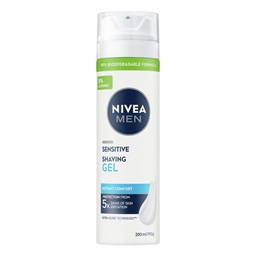
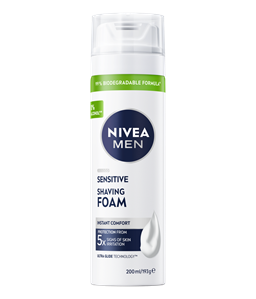
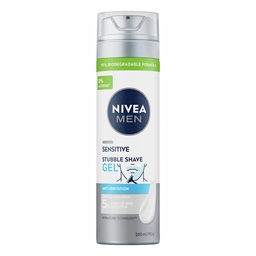
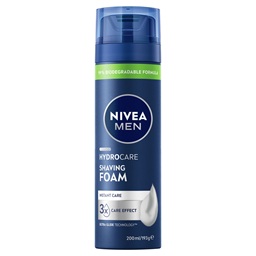
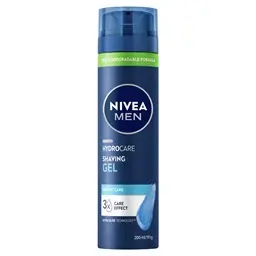
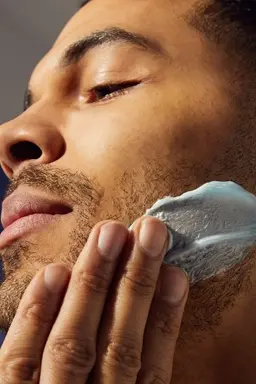
Shaving cream helps protect your skin from irritation and also gives you that clean‑shave finish. For the best application, spread the cream, gel or foam using upward movements. This helps lift your hairs so you can shave them off more easily.
NIVEA MEN offers a wide range of shaving creams and gels for normal through to sensitive skin.
4. Start to shave
For a close shave, use small strokes and start with your cheeks, working your way down to your neck – which is usually the most sensitive area. It can be a bit trickier around your lips and jawline because of the angles. To make it easier, you can puff your cheeks out so the surface is flatter and easier to reach. Remember to rinse the blade between strokes and shave in the direction your hair grows. This helps avoid irritation and gives you a cleaner shave.
Once you’re done, rinse your face with warm water and let it air dry before you move on to the next step.
Don’t forget to clean and wipe your razor with a clean cloth, and store it in a dry area after each use. This helps keep bacteria and rust off the blade, which is especially important if you ever nick yourself while shaving.
5. Apply after‑shave
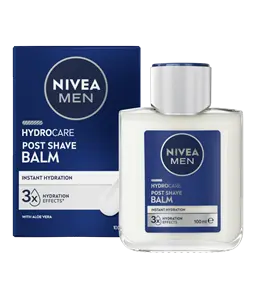
After‑shave balm is great for your skin because it helps ease irritation, razor burn and bumps that can pop up after shaving. Ingredients like Vitamin E and Aloe Vera are common in after‑shave balms – they help keep your skin healthy and calm any burning or damage. After‑shave also helps clear out bacteria from your pores and then lightly seals them to stop more dirt from getting in.
The NIVEA MEN Sensitive Post Shave Balm instantly helps relieve 5 signs of irritation (burning, redness, dryness, tightness, itchiness) and provides long‑lasting hydration. Its formula is alcohol‑free and infused with Chamomile Extract for a non‑greasy, fast‑absorbing finish.

6. Apply moisturiser
It’s important to apply moisturiser after shaving your beard. When you shave, hair can get caught between the blades – and so can thin layers of dead skin from the top of your skin’s surface.
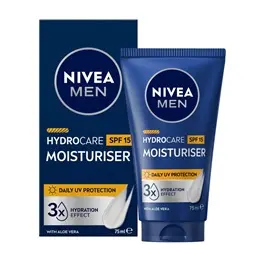
This isn’t harmful, but it does leave your skin a bit more vulnerable to pollutants and bacteria. Using a moisturiser afterwards helps lock in hydration and adds a protective barrier to your skin.
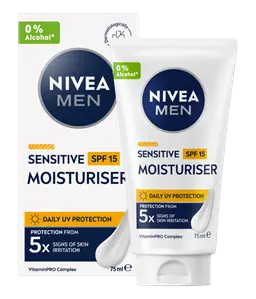
NIVEA MEN offers a range of moisturisers for different skin types and needs. The NIVEA MEN Sensitive Face Moisturiser SPF 15 is a great pick if you often get skin irritation. It’s enriched with soothing Chamomile Extract and skin‑strengthening Vitamin E to help relieve the five most common signs of skin irritation.
7. Apply SPF (AM)
SPF is really important in your daily routine, no matter the weather. After shaving, you’ve removed some dead skin cells, which can make your skin even more sensitive to UV rays.
Putting SPF on your face helps give you a level of protection against UV rays.
How do you Shave your Body?

Hydrate your skin: when you’re shaving parts of your body, a good first step is to jump in a warm shower beforehand and exfoliate at the same time. This helps soften your skin and remove dead skin cells.
Apply shaving cream: you should use shaving cream, not soap, to shave. Soap can have an astringent effect on your skin, drying it out and causing flakiness.
Shave: unlike your face, you’ll usually want to shave against the direction of hair growth on your body.
Rinse with cool water: when you’re prepping your skin to shave you want your pores to open, but once you’re finished you want them to close again. Rinsing with cool water helps your pores tighten back up and can stop bacteria from getting in.
Finish with a moisturiser: applying moisturiser helps prevent your skin from becoming flaky. NIVEA Express Hydration Body Lotion is formulated with NIVEA’s Deep Moisture Serum and sea minerals to protect your skin and provide 72‑hour hydration, without leaving a greasy finish.
Choosing the Right Razor
Choosing the right razor for you is important – it depends on your skin type, but also on the kind of shave you’re after. When you’re deciding, there are five main types of razors, each better suited to different shaving needs:
- Disposable razors:
These razors are usually inexpensive and made for a limited number of uses. They’re handy for a quick, on‑the‑go shave but might not give you the smoothest finish. Disposable razors tend to suit people with oily or non‑sensitive skin.
- Cartridge razors:
Cartridge razors have replaceable blade cartridges and are the most popular style. They often use multiple blades for a closer shave and work well for all skin types. They’re versatile and give a smooth shave, which is why they’re a favourite for everyday routines. If you’re shaving neck hair, look for one with a pivoting head – it makes it easier to follow the contours of your neck.
- Safety razors:
Safety razors have protective metal parts that help reduce the risk of cuts. They need a bit more care and cleaning, but they’re a great option if you shave regularly. Safety razors work well for people with dry or oily skin who like a more traditional shaving experience.
- Electric razors:
Electric razors generally come in two types: dry and wet. Dry electric razors suit people with oily skin, while wet electric razors can work well for both oily and dry skin. They’re convenient, give a reasonably close shave, and can work well on the neck area too.
- Straight razors:
Straight razors give the closest shave but also demand the most skill and care. They’re usually used by experienced shavers and professional barbers. Straight razors can work for different skin types, but they do call for precision and a steady hand.
Your choice of razor comes down to your skin type, shaving preferences and your confidence or skill level. All up, it’s worth picking the one that really fits your needs, so you get the best possible shaving experience.
Trimming and
shaping

Make sure your beard hair is trimmed in the same direction: trim any stray hairs and those that are too long to suit the beard shape and length that works best for your face. Keep this in mind especially if you’re growing your beard a bit longer than usual.
Trim your sideburns: tidy up any hairs that sit on your cheeks above your beard’s natural line.
Define your neckline: use a razor or a very precise beard trimmer to create a clean neckline for your beard.
Neaten up the area around your lips: make sure no hairs hang over your lips. Afterwards, carefully trim around your nostrils as well for a clean finish.
What Is
dry shaving?
Dry shaving is a way of shaving where you don’t use shaving soap, cream, water or any other type of lubricant. It’s usually done with an electric razor and is known for being quicker than traditional wet shaving.

Time and convenience: modern razor technology makes it easy to enjoy a quick shave. You simply pop a battery into your electric shaver, or open a disposable or cartridge razor, and you’re ready to start shaving.
No need for water or foam: when your hairs are dry, they’re stiffer, so the razor doesn’t sit as close to your skin. This can help prevent ingrown hairs that turn into razor bumps, because the razor isn’t cutting the hair below the skin’s surface.
Skin discomfort: if you’ve got sensitive skin, it’s best to be cautious with dry shaving. Without any lather to cushion the blade and no water to keep skin moist, your skin can become sore and irritated as the blade cuts the hair. People with dry skin may feel even more discomfort because the shave won’t feel smooth from start to finish.
Once you’re done shaving, keep your razor clean by rinsing away any hair and skin debris. Then finish off with a moisturiser.
Mastering the art of
shaving at a glance
Getting a great shave means taking a bit of time to prepare and listen to what your skin needs. Whether you’re shaving your face or body, knowing your skin type really helps. Picking the right tools and products – like your razor, shaving cream and after‑shave balm – can make your whole shaving experience smoother and more comfortable.
For a smooth shave, it’s worth following a simple routine: cleanse, exfoliate, apply shaving cream and then shave using small, careful strokes. After‑shave and moisturiser both play a big role in keeping your skin healthy afterwards.
Dry shaving with an electric razor is convenient, but it might not give you the closest shave. It’s a good idea to weigh up the pros and cons and follow best‑practice tips to get the most out of it.
In the end, the key to successful shaving is personal care – paying attention to your own skin and what feels best for you.